
Welcome to The Sturge-Weber Foundation
The Sturge-Weber Foundation's (The SWF) global mission is to improve the quality of life and care for people with Sturge-Weber syndrome and associated Port-Wine Birthmark conditions through tenacious collaboration with clinical partners and pioneers, education, advocacy, research and friendly support.
-
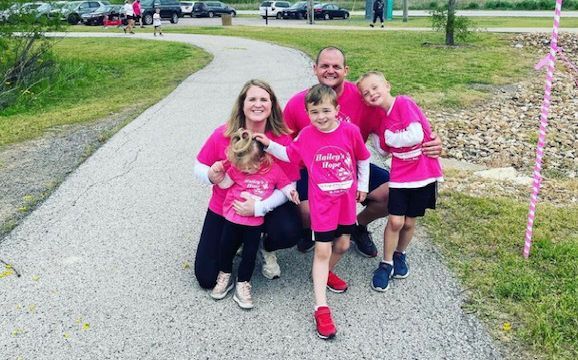
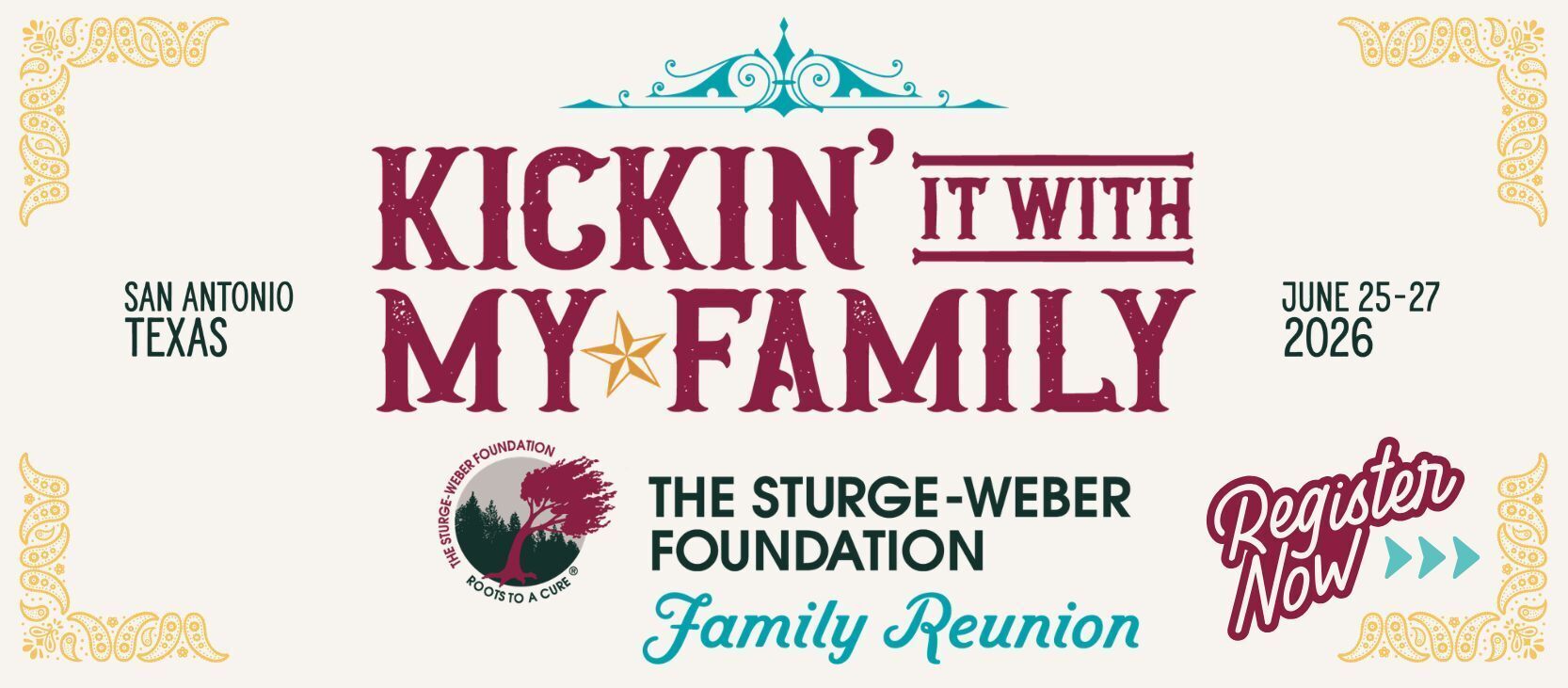
Find an event, learn about fundraising opportunities, or attend events. YOU can make a difference.
Take a look. -

You are not alone. Find information about SWS, KT, and PWB. Download resources to share.
Find out more.

-
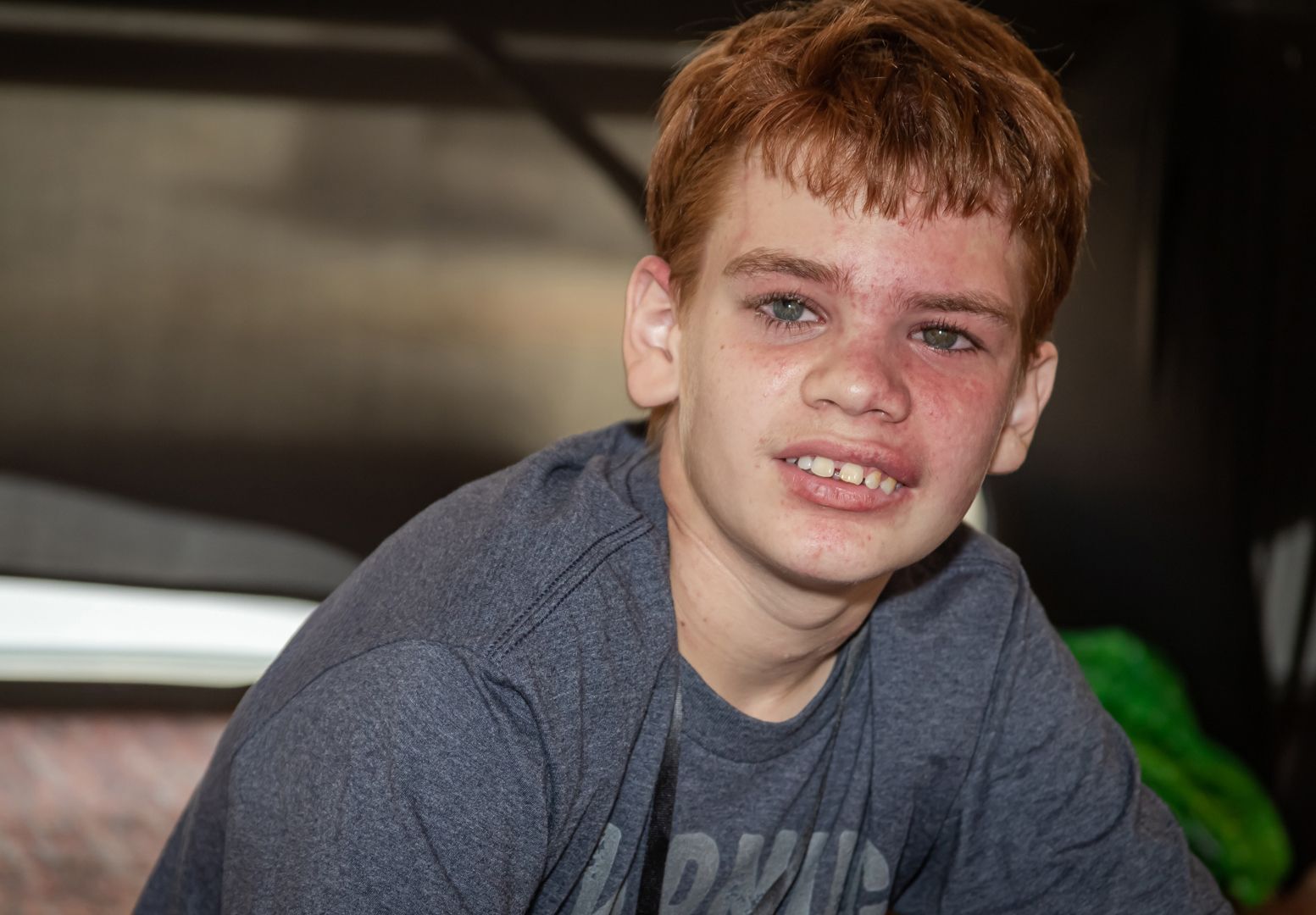 We are stronger because we are united.
So much of our progress comes from all of us being united for one purpose. Across the globe, we come together for all those with SWS and be the source of improved quality in their lives!
Become a Legacy Leader
When you support The Sturge-Weber Foundation you are making a difference to help The Sturge-Weber Foundation continue to support families and patients while investing in important research and awareness efforts. We are looking for game-changing Legacy Leaders! We are calling on our warriors who are passionate supporters to step up and plant seeds of hope for future generations by becoming a Legacy Leader!
-
Families Supported
8,049
-
Hours of Support
96,000
-
Faithful Donors
15,000
-
Professional Support
560